Nutritional Oils & Powders
DHA Algae Powder — Feed Grade
Schizochytrium Meal 13% / 18% / 22%
Whole-cell algal DHA for livestock, aquaculture and pet diets — plant-based omega-3 at feed scale.
Specification & details →A DHA percentage is meaningless without its denominator. Assay basis, dry-matter conversion and the whole nutrient contribution of feed-grade Schizochytrium meal, set out before prices are compared.
A feed-grade algae meal quotation needs a clearly defined DHA result. Buyers must know whether the percentage refers to the ingredient as supplied, its dry matter, its total lipid or its measured fatty acids. Those numbers cannot be compared directly without understanding the denominator.
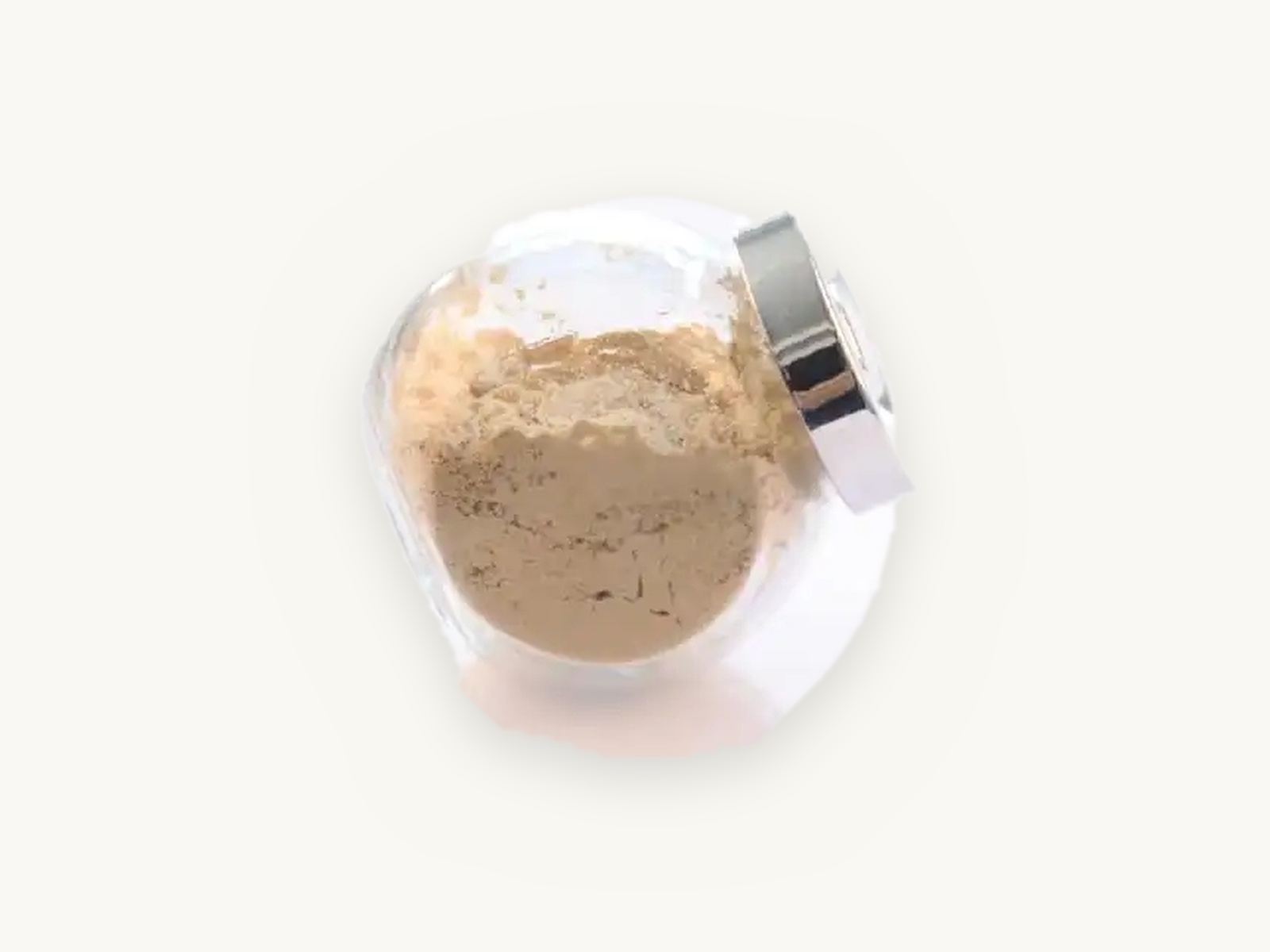
The feed-grade DHA algae powder page is the relevant starting point for this category. Keep feed materials in a separate qualification process from ingredients intended for human nutrition.
Ask for the organism identity, production description and supplied form. Confirm whether the material is whole-cell biomass, a processed meal or another preparation, and whether any carrier, antioxidant or other ingredient is present.
The feed powder listed on this site is whole-cell Schizochytrium — fermented, separated and dried; the powder is the algae itself, not a diluted preparation. The commercial name “algae powder” is too broad for an approved purchase specification: the producer's grade code and composition need to identify the material the nutritionist is actually evaluating.
Do not infer feed approval, species suitability or permitted claims from the organism name alone. These questions belong in the market-specific regulatory review for the exact material and intended use.
Request the DHA result, units, analytical method and reporting basis together. Ask whether the value is a minimum purchase requirement, a typical result or a measurement from the particular lot. Record moisture alongside the nutrient data when a conversion depends on it.
Our listing states the grades on the powder as supplied — DHA 13% / 18% / 22% — and every shipment travels with the COA of its own batch, reporting that lot's measured DHA. A supplier quoting on any other basis is not quoting a different strength; they are quoting a different fraction, and the two figures only meet after the conversion below.
Consider a hypothetical arithmetic example: a material containing 20% DHA on a dry-matter basis and 90% dry matter would contain 18% DHA as supplied, if the definitions and measurements support that calculation. The calculation is 20% multiplied by 90%. It is not a specification for any commercial grade.
A statement such as “DHA is 20% of fatty acids” has a different denominator. It cannot be treated as 20% DHA in the whole meal. Ask for a mass-based value suitable for the formulation calculation, or have the nutritionist establish what additional measurements are required.
The material contributes more than DHA. Give the formulator the relevant composition, including moisture, fat and other nutrients needed for the feed matrix. The required measurements depend on the material and application; purchasing should obtain the approved list from the nutritionist.
For another hypothetical calculation, adding 10 grams of a meal containing 18% DHA as supplied contributes 1.8 grams of DHA before any processing loss is considered. This is a mass balance, not an inclusion-rate recommendation or a statement about biological availability.
Any allowance for processing or storage must rest on evidence appropriate to the ingredient and manufacturing conditions. Do not assume that a receiving assay proves the nutrient concentration in the finished feed at the end of its storage life.
Feed compliance needs its own review. Regulation (EC) No 767/2009, for example, sets an EU framework for feed marketing and labelling, including identification and composition-related particulars. Treat any such text as a starting reference; the responsible reviewer must consult current amendments and other applicable rules.
Ask that reviewer to confirm the material's status, intended animal categories, declaration requirements and any relevant restrictions. Put destination-specific contaminant and microbiological requirements into the agreed specification with applicable methods and units.
Avoid performance claims that the supplied material has not substantiated. A DHA result supports a composition statement within its defined scope. It does not, by itself, demonstrate an effect on growth, reproduction or the nutrient composition of an animal product.
The purchase file should connect the producer, material description, grade code, analytical basis, agreed limits and packaging. Define how a lot will be identified, sampled and assessed under the buyer's quality procedures.
Where the proposed material differs from the approved feed matrix, resolve the difference before order release. Keep the regulatory review with the technical approval so that a commercial substitution does not bypass either.
For a sourcing discussion, send the target species, destination market and required analytical basis. Those details make a quotation comparable and give the formulator data that can be used without guessing.
* Specifications are typical values for the grades listed, shown for guidance. The specification that applies to an order is confirmed in writing before the order is placed; every shipment is documented by its own batch COA.
Whole-cell algal DHA for livestock, aquaculture and pet diets — plant-based omega-3 at feed scale.
Specification & details →Microencapsulated algal DHA for dry blends — customisable carriers, including organic and ruminant-based options.
Specification & details →Specifications, batch COAs and pricing are quoted per inquiry. We read every message personally.
Thank you — your inquiry has been sent. We reply within one business day.