Nutritional Oils & Powders
DHA Algal Oil
DHA Oil 40% / 50%
Microalgae DHA — the plant-based omega-3 source for formula, supplements and functional foods.
Specification & details →Type “algal dha oil” into a search box and the result is a word, not a product. The word is where a search starts, not where a specification starts — it is typed by people who know the ingredient they want long before they can name the grade they need. Which is exactly why the thinness of the word matters. It genuinely promises one thing only: origin. Strength is not in the word. Basis is not in the word. Suitability for your finished product is not in the word either. Four questions turn it into a grade you can order: what does the name actually promise, which numbers define a grade, where does that grade belong, and what should an inquiry say?
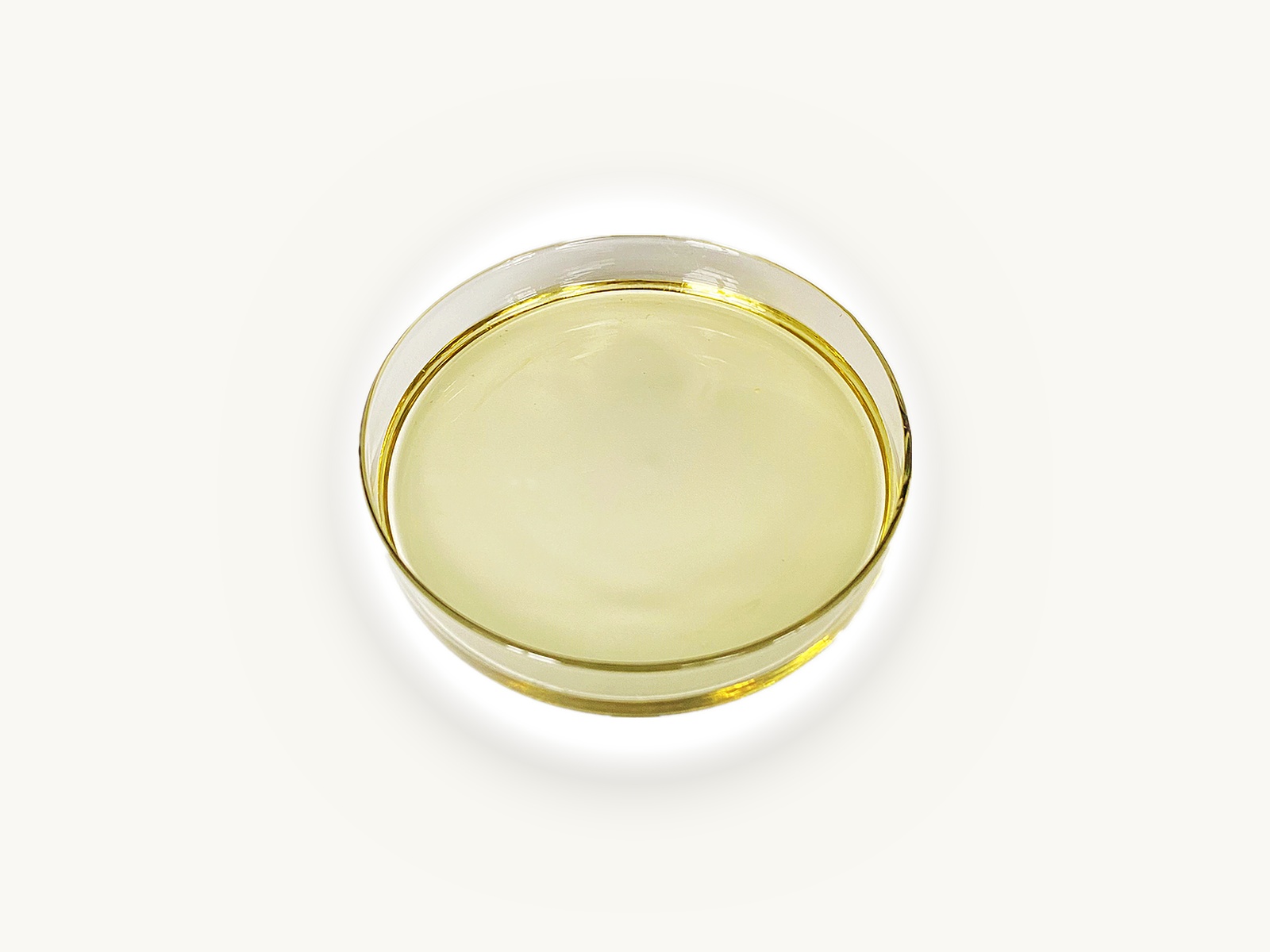
“Algal” promises where the oil comes from, and nothing else — that is the whole contract. Our DHA algal oil is fermented from Schizochytrium microalgae, in closed, controlled systems: no ocean harvesting anywhere in it, and no fishy supply chain upstream of your label. Notice what the word does not split. “Algal” distinguishes the source — algae versus fish — not the grade. 40% and 50% are two different loadings of the same source, not two different oils with two different stories. And the name stops there: it says nothing about what the oil does downstream, because origin words do not reach that far. The grades and loadings behind the word: DHA algal oil.
If the word settles origin, the specification settles everything else. Ask for it as numbers, not adjectives.
The DHA percentage sets the dosage, the other four decide how the batch behaves in your product, the specification sheet lists them together — and reading half of it does not count as reading the specification.
A grade only earns its keep once it has landed in a finished product, so the third question is where yours is headed. The applications as listed on the product page: infant & follow-on formula, softgel supplements, dairy & beverages, maternal nutrition. Positioning travels with the same decision. For certified-organic product lines there is an organic DHA algae oil at 50%, and as the product page words it, “algal DHA is suitable for vegetarian-positioned products.” One boundary is worth knowing before you write the spec: when the finished product is a dry-blend system — infant formula, dry mixes — a free oil has no place in the blend, and that is precisely where the microencapsulated, spray-dried DHA algal oil powder at 10% / 20% comes into view. DHA algal oil powder The oil ships in 5 kg / 20 kg aluminium drums, stored sealed, cool, dry and ventilated, away from light, moisture and air.
Which leaves the fourth question: the inquiry. Tell us the dosage form — oil or powder — the target milligrams of DHA per serving, and the positioning — vegetarian, organic, or other. That is the whole format, and what we send back is a quotation you can actually compare. The consolidated figures sit on the product sheet, and the inquiry form is at the bottom of each product page.
Related reading: choosing between the 40% and 50% grades, the ARA/DHA sourcing checklist and how to read a COA.
* Specifications are typical values for the grades listed, shown for guidance. The specification that applies to an order is confirmed in writing before the order is placed; every shipment is documented by its own batch COA.
Microalgae DHA — the plant-based omega-3 source for formula, supplements and functional foods.
Specification & details →Microencapsulated algal DHA for dry blends — customisable carriers, including organic and ruminant-based options.
Specification & details →DHA and EPA in one oil for heart-and-brain positioned supplements and fortified foods.
Specification & details →Specifications, batch COAs and pricing are quoted per inquiry. We read every message personally.
Thank you — your inquiry has been sent. We reply within one business day.