Nutritional Oils & Powders
DHA Algal Oil
DHA Oil 40% / 50%
Microalgae DHA — the plant-based omega-3 source for formula, supplements and functional foods.
Specification & details →“Which algal DHA oil is the standard one?” There isn’t one. We supply the same Schizochytrium-fermented oil at 40% and 50% DHA because the two grades end up in different products, and picking by habit — or by whichever drum is cheapest per kilo — is how a formulation ends up over-specified in one place and short in another.
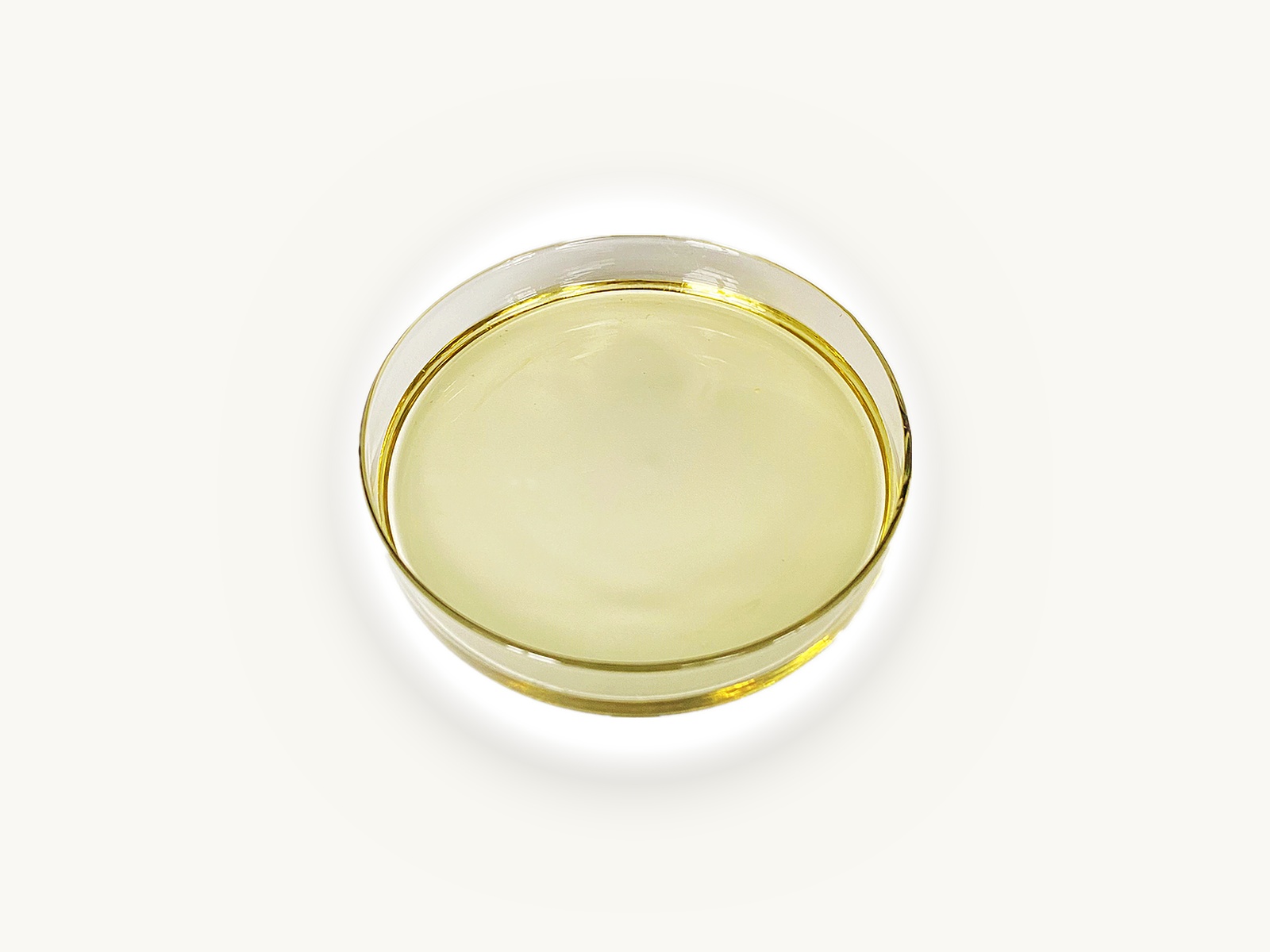
Work backwards from what the consumer swallows. A 500 mg softgel filled with 40% oil delivers 200 mg of DHA; the same shell at 50% delivers 250 mg. If your label target is 250 mg per capsule, the 40% grade forces a bigger shell or a two-a-day serving — both visible to your customer. If the target is 100–150 mg, as in many children’s and combination products, the 50% grade buys DHA you never declare and makes blending ratios harder, not easier.
The honest comparison is price per kilo of delivered DHA, not price per kilo of oil. The per-kilo price rises with the grade; the cost of each gram of DHA usually falls. Ask every supplier — us included — to quote on the same basis and do that division before you compare.
One trap deserves its own paragraph. A DHA percentage can be stated per gram of oil as supplied, or as a share of total fatty acids — and two oils both labelled “40%” can be different products under those two definitions. Our specification and batch COA state the basis behind the number. Before you compare any two quotes, ask which basis each headline figure uses; if a supplier can't answer in one sentence, that is information too.
If you tell us the dosage form and the per-serving DHA target, we will point at the grade we would buy in your position — including when that is the cheaper one. The DHA algal oil page carries the grade table; the inquiry form is at the bottom of it.
Related reading: the algal DHA oil buyer's guide and algal DHA oil or powder.
* Specifications are typical values for the grades listed, shown for guidance. The specification that applies to an order is confirmed in writing before the order is placed; every shipment is documented by its own batch COA.
Microalgae DHA — the plant-based omega-3 source for formula, supplements and functional foods.
Specification & details →Microencapsulated algal DHA for dry blends — customisable carriers, including organic and ruminant-based options.
Specification & details →DHA and EPA in one oil for heart-and-brain positioned supplements and fortified foods.
Specification & details →Specifications, batch COAs and pricing are quoted per inquiry. We read every message personally.
Thank you — your inquiry has been sent. We reply within one business day.