Nutritional Oils & Powders
Arachidonic Acid (ARA) Oil
ARA Oil 40%
Fermentation ARA in triglyceride form — the grade infant-formula makers build on.
Specification & details →The questions that matter on ARA oil overlap to a striking degree, so we have set this post out as five questions, each answered straight, without a detour. Part of the reason they converge is that our ARA oil is listed on this site as a single 40% grade — there are no other strengths to choose between. Once the grade question disappears, the discussion settles on what that 40% actually is, and on everything that surrounds it.
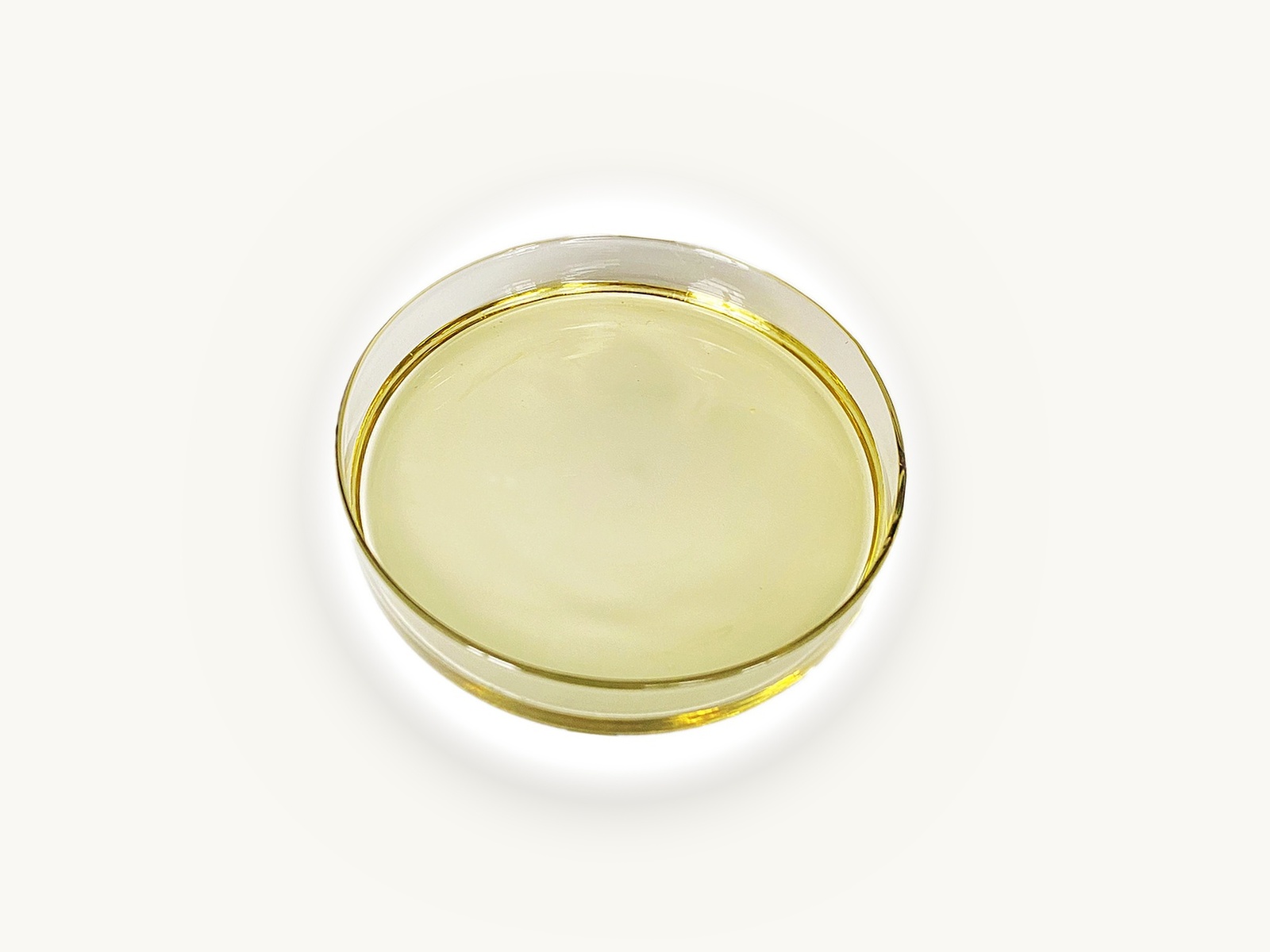
The 40% is the ARA content of the oil. The part that matters is the basis behind the number: is it expressed per gram of oil as supplied, or as a share of total fatty acids? A “40%” on one basis and a “40%” on the other can describe two different products. Our specification sheet and the batch COA state the basis explicitly. Before you buy — from us or from anyone — ask which basis the figure sits on; a percentage without a stated basis is not comparable.
Because that is the molecular form ARA takes in food. ARA is a long-chain omega-6 PUFA, and our oil is supplied as a triglyceride — the form in which it occurs naturally. Practically, the liquid format blends directly into formula matrices, dairy systems and nutritional emulsions. The applications we publish for the oil run in one line: infant & follow-on formula, dietary supplements, dairy & nutritional beverages, and foods for special medical purposes.
From fungal fermentation — a fungal source, not a marine one. Our product page states it plainly: “Fermentation production gives batch-to-batch consistency without relying on marine raw materials.” The two points buyers take from that sentence are the consistency from batch to batch and the independence from marine raw materials.
Match the format to your system. In liquid and emulsion systems, the oil is the direct route. In dry-blend systems — formula & milk powder, cereals & instant foods, dry-mix supplements, bakery & nutrition bars — the ARA powder at 10% / 20% is usually the better buy: microcapsule encapsulation followed by spray-drying gives a free-flowing powder, which is what resolves dispersion in a dry mix.
The follow-up we often hear here concerns the pair: ARA is a standard component of infant formula worldwide, paired with DHA in early-life nutrition. Our DHA algal oil comes at 40% / 50%, so if you are sourcing both sides of the pair, the formulation questions can be sent together.
The document rhythm is fixed, and it helps to know it before the first email:
Working as an ARA oil supplier makes that order a practical commitment: you can read the 40% figure and its stated basis before any sample moves.
Tell us your application and the format you are leaning toward — oil or powder — and we will follow the same rhythm from our side: the specification sheet first, the batch COA with the sample. The combined data for both sides of the pair sits in the product sheet.
For the powder side of the same ingredient: ARA powder for dry blends — the carrier and process review.
* Specifications are typical values for the grades listed, shown for guidance. The specification that applies to an order is confirmed in writing before the order is placed; every shipment is documented by its own batch COA.
Fermentation ARA in triglyceride form — the grade infant-formula makers build on.
Specification & details →Microencapsulated ARA that behaves like a dry ingredient — free-flowing, oxidation-protected, easy to dose.
Specification & details →Microalgae DHA — the plant-based omega-3 source for formula, supplements and functional foods.
Specification & details →Specifications, batch COAs and pricing are quoted per inquiry. We read every message personally.
Thank you — your inquiry has been sent. We reply within one business day.