Nutritional Oils & Powders
Arachidonic Acid (ARA) Powder
ARA Powder 10% / 20%
Microencapsulated ARA that behaves like a dry ingredient — free-flowing, oxidation-protected, easy to dose.
Specification & details →The carrier is half the product in a dry blend. ARA powder composition — including its milk-derived components — blending conditions, measurement basis and the handover record, reviewed before a sample is approved.
An ARA powder enquiry should describe the finished dry blend as well as the target ARA content. The carrier system, handling behaviour and analytical basis all need to fit the product you intend to make. An oil specification cannot answer every question about the finished powder.
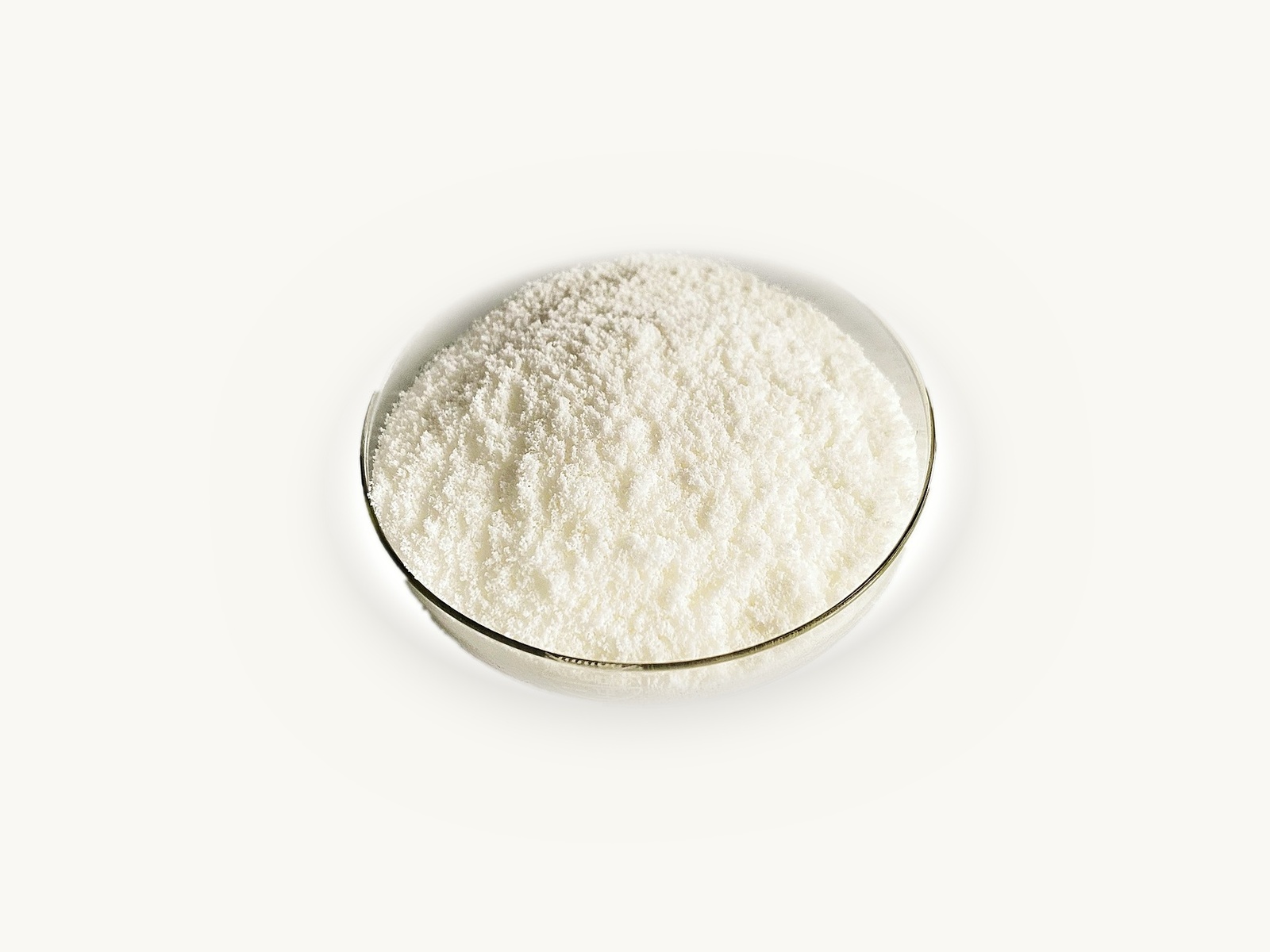
Start with the ARA powder product page, then request the composition and specification for the actual grade offered. Keep general ingredient information separate from the limits your quality team will approve.
For the grade listed on this site, that declaration is published in full: ARA oil 25%, starch 32%, dextrin 28%, whey 10% and sodium caseinate 5%, microencapsulated and spray-dried. Read it before anything else, because two of those components decide label questions on their own: whey and sodium caseinate are both milk-derived, so this powder contains milk. It is not a dairy-free ingredient, and no wording in a brief can make it one — if your finished product must be dairy-free or vegan-positioned, this grade is the wrong starting point, and that has to be settled before samples move.
If a label requirement excludes a particular material, put that restriction in the brief. Do not ask only whether the ingredient is “clean label” or “suitable for everyone”. Those phrases leave too much room for different interpretations. Name the restriction your team needs to evaluate and the evidence it will accept.
Give the supplier enough information to understand the process: the other main powders, proposed addition point, mixing sequence, storage before filling and final pack format. Include operating conditions that your production team considers material to the trial.
Ask your team to define observable acceptance criteria before reviewing a sample. These might include satisfactory distribution within the blend, acceptable handling during transfer, sensory suitability and the ability to meet the finished-product specification. Choose the tests that answer your actual process questions.
Do not infer blend uniformity from a free-flowing appearance. A powder may look acceptable in a sample bag while still requiring a different addition sequence on your line. Record how the trial is run so that a repeat trial can reproduce the relevant conditions.
Clarify whether the quoted ARA figure is expressed on the finished powder, extracted oil, total fatty acids or another basis. On this site the powder's active content is stated on the finished powder — ARA 10% / 20%. Whichever supplier you review, ask for the analytical method and units behind the figure, and have your technical reviewer confirm that the supplier's results and your incoming-material method are comparable.
Powder-specific tests also need a defined procedure. For example, a dispersion observation should identify the liquid, concentration, temperature, mixing conditions and observation time. Without that context, two teams can describe the same material differently.
That checklist defines the discussion. It does not set universal ARA limits or establish suitability for infant formula, supplements or any other regulated application.
Once the grade is accepted, record its product code, specification version and approved composition reference. Ask how changes to the carrier or production source will be communicated. A later offer with the same ARA percentage should still be checked against that approved configuration.
Use the existing sample qualification guide for the wider sample-to-order process. Keep the ARA-specific carrier and mixing decisions in the material approval file so they remain available to purchasing, production and quality staff.
Send FLORISUN an ARA powder brief with your destination, intended application, carrier restrictions and trial requirements. That provides a clearer basis for reviewing an offer than the ARA percentage alone.
* Specifications are typical values for the grades listed, shown for guidance. The specification that applies to an order is confirmed in writing before the order is placed; every shipment is documented by its own batch COA.
Microencapsulated ARA that behaves like a dry ingredient — free-flowing, oxidation-protected, easy to dose.
Specification & details →Fermentation ARA in triglyceride form — the grade infant-formula makers build on.
Specification & details →Microencapsulated algal DHA for dry blends — customisable carriers, including organic and ruminant-based options.
Specification & details →Specifications, batch COAs and pricing are quoted per inquiry. We read every message personally.
Thank you — your inquiry has been sent. We reply within one business day.