Nutritional Oils & Powders
DHA Algal Oil
DHA Oil 40% / 50%
Microalgae DHA — the plant-based omega-3 source for formula, supplements and functional foods.
Specification & details →A sample is not a freebie and not a formality. It is the one chance to catch a wrong grade, a wrong carrier or a wrong document before a full order rides on it. What follows is the sequence we run with every new buyer, in this order — each step has a concrete check attached, and skipping a step is how mismatches happen.
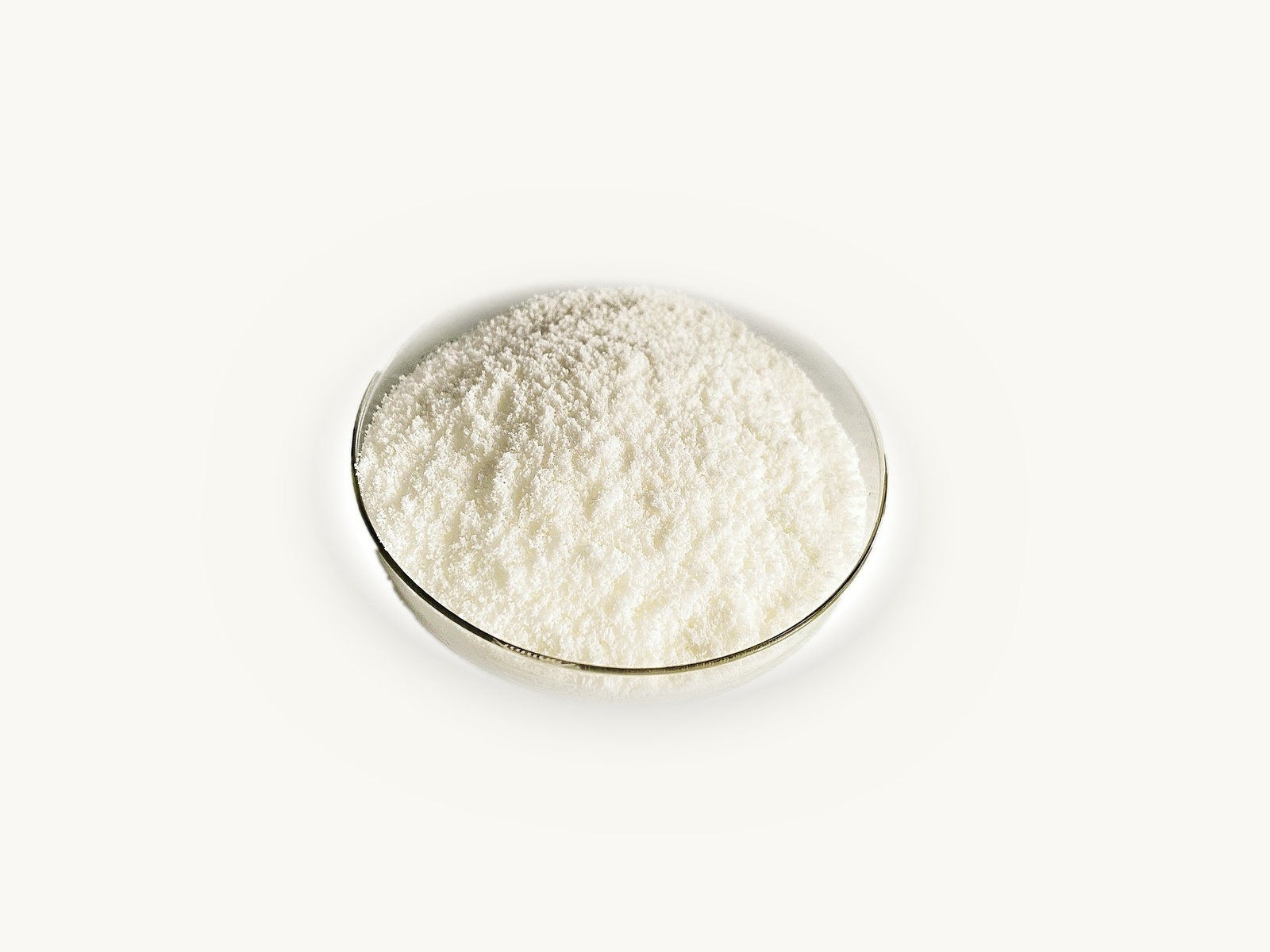
No sample goes out until we know three things: the grade, the target market, the dosage form. Each answer points at a different sample — oil or powder, DHA-only or DHA + EPA combined, and which carrier. DHA 40% / 50% as oil, 10% / 20% as powder, and the DHA + EPA powder at 11% / 13% combined are different products with different sheets, so a vague brief produces a sample that proves nothing. Naming the target market early also matters, because it shapes which documents you will need from supplier qualification later. A buyer who cannot name the dosage form yet gets the specification sheets first, not a sample: DHA algal oil and DHA powder are the two starting points, and reading both sheets side by side is the quickest way to settle the choice.
The specification sheet is available for every product before sampling, and it is the document the sample will be judged against — read it before the sample lands, not after. Three things deserve a slow read. First, active content and its basis: 40% / 50% in the oil, 10% / 20% in the powders, 11% / 13% for the DHA + EPA powder — combined, not each. Second, the source: Schizochytrium microalgae fermentation for algal DHA, fungal fermentation for ARA. Third, the carrier, because it decides how a powder behaves in your blend and your dosage form: ARA powder is ARA oil 25%, starch 32%, dextrin 28%, whey 10%, sodium caseinate 5%, while DHA powder carriers are bovine, sheep, starch or organic. The full product sheet is the first thing our desk sends once a brief is clear.
Ask for the batch COA for the lot the sample was drawn from. The sheet states the limits; the COA states what this particular lot measured; the job in this step is to put the two side by side, line by line. Four checks catch the mismatches we see most often:
One piece of advice we give every buyer: keep your own retained sample from the lot you approve, labelled with the batch number, so a later question has something physical to go back to.
The order ships with its papers, not after them. The batch COA is issued per batch and matched to the shipment you receive, so the numbers you approved are the numbers on the drums that arrive. SDS / MSDS and TDS are provided on request, and producer certificates are shared during supplier qualification — ask our desk for them, they are not printed on the public pages. Packaging and storage belong to the same check: oils in 5 kg / 20 kg aluminium drums, powders in 5 kg aluminium-foil bags or 20 kg cartons, stored sealed, cool, dry and ventilated, away from light, moisture and air. Transport is not classified as dangerous goods. A buyer qualifying a DHA line can put ARA oil 40% through the same sequence — same drums, same document flow, one qualification pass.
Related reading: reading a COA, line by line and the ARA powder carrier review.
* Specifications are typical values for the grades listed, shown for guidance. The specification that applies to an order is confirmed in writing before the order is placed; every shipment is documented by its own batch COA.
Microalgae DHA — the plant-based omega-3 source for formula, supplements and functional foods.
Specification & details →Microencapsulated algal DHA for dry blends — customisable carriers, including organic and ruminant-based options.
Specification & details →Fermentation ARA in triglyceride form — the grade infant-formula makers build on.
Specification & details →Specifications, batch COAs and pricing are quoted per inquiry. We read every message personally.
Thank you — your inquiry has been sent. We reply within one business day.