Nutritional Oils & Powders
DHA Algal Oil
DHA Oil 40% / 50%
Microalgae DHA — the plant-based omega-3 source for formula, supplements and functional foods.
Specification & details →Brands searching for supplement omega-3 ingredients are not shopping for a molecule — they are choosing a dosage form first. The five questions below are the ones we are actually asked by supplement founders and formulators, in the order they come up. Settle them in sequence and the ingredient shortlist is mostly written by the time a specification sheet is opened.
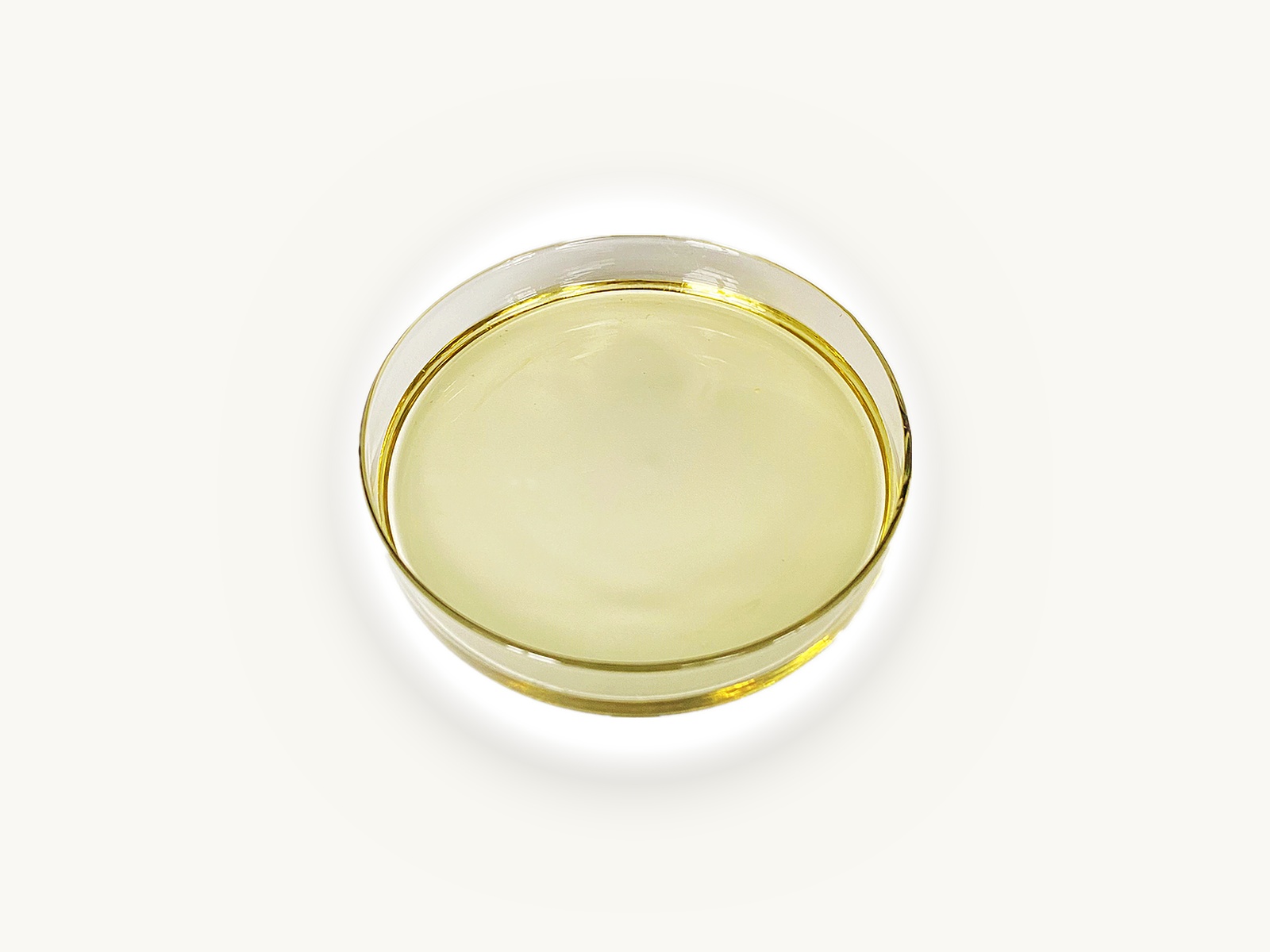
The dosage form decides. Softgels take oil; gummies, tablets, instant drinks and dry mixes take powder. For softgel filling we supply DHA algal oil 40% / 50%, an oil from Schizochytrium microalgae fermentation, packed in 5 kg / 20 kg aluminium drums. For dry formats we supply DHA powder 10% / 20%, a microencapsulated, spray-dried powder that is fully soluble in 50 °C water and carries surface oil at ≤1.0% — which is why it disperses evenly through a dry blend instead of oiling out. Fish-oil or algal-oil base variants exist on the powder as well, which matters when the source story is part of the brief. The two forms are not interchangeable on the line — a gummy batch is built on the powder, a softgel is filled with the oil: the process decides, not the preference.
DHA-only lines are the ones built around a single-ingredient brief: algal source, plant-based positioning, DHA as the named active. Combined DHA + EPA is the general-supplement workhorse. Our DHA + EPA powder 11% / 13% uses microgel encapsulation on a fish-oil base, spray-dried for dry formats, and it opens omega-3 fortification to instant drinks, meal replacements, nutrition bars and dry supplement mixes. One trap to read around before any dose math: 11% / 13% is the combined DHA + EPA total, not 11% of each. Where the ratio itself matters, DHA + EPA oil is supplied with the DHA:EPA ratio matched to the brief, on a refined fish-oil base or as an algae-based blend.
Grade arithmetic, and nothing beyond it. A 50% oil carries a quarter more DHA per gram than a 40% oil, so the fill volume moves. A 20% powder carries twice the DHA per gram of a 10% powder, so the blend mass moves. Freshness limits are the same across the oil grades, so the 40% versus 50% choice is arithmetic, not quality. The percentage is active content in the ingredient, not in the finished product — the finished-dose math stays with the formulator.
This is the question to settle before a first order, because the COA is the document a lot is accepted on. Four checks, every lot:
Producer-level certification — FSSC 22000, ISO 22000, Halal on the DHA lines — is shared during supplier qualification.
The source organism on the specification settles it, not the marketing copy. Algal DHA from Schizochytrium fermentation is plant-based, so an algae oil supplement is a plant-based source. The fish-oil-based DHA + EPA powder does not, whatever the finished label might suggest. The carrier matters just as much: DHA powder carriers include bovine, sheep, starch or organic, so a vegan brief has to name the carrier as well as the source. On-pack claim rules are set per destination market — check locally before anything goes to print.
Related reading: algal DHA oil vs powder and why gummies start with the powder.
* Specifications are typical values for the grades listed, shown for guidance. The specification that applies to an order is confirmed in writing before the order is placed; every shipment is documented by its own batch COA.
Microalgae DHA — the plant-based omega-3 source for formula, supplements and functional foods.
Specification & details →Microencapsulated algal DHA for dry blends — customisable carriers, including organic and ruminant-based options.
Specification & details →Microencapsulated fish-oil powder that brings omega-3 into dry products without the fishy taste.
Specification & details →Specifications, batch COAs and pricing are quoted per inquiry. We read every message personally.
Thank you — your inquiry has been sent. We reply within one business day.