Nutritional Oils & Powders
DHA Algal Oil Powder
DHA Powder 10% / 20%
Microencapsulated algal DHA for dry blends — customisable carriers, including organic and ruminant-based options.
Specification & details →The same fermented algal DHA in two formats: a 40–50% oil and a 10–20% powder. The right one is decided by what your line does with it — liquid filling or dry blending — and by the carrier row on the powder specification.
“We need DHA — oil or powder?” That is how most inquiries to us open, and it arrives dressed as a question about the ingredient. It is not one. On both sides of that question sits the same DHA from the same fermentation — what differs is only the format it reaches you in. What the question is really asking is what your production line does with it once it arrives. The decision belongs to the process, not to the DHA. So we answer it in two moves: first what stays the same, then what changes.
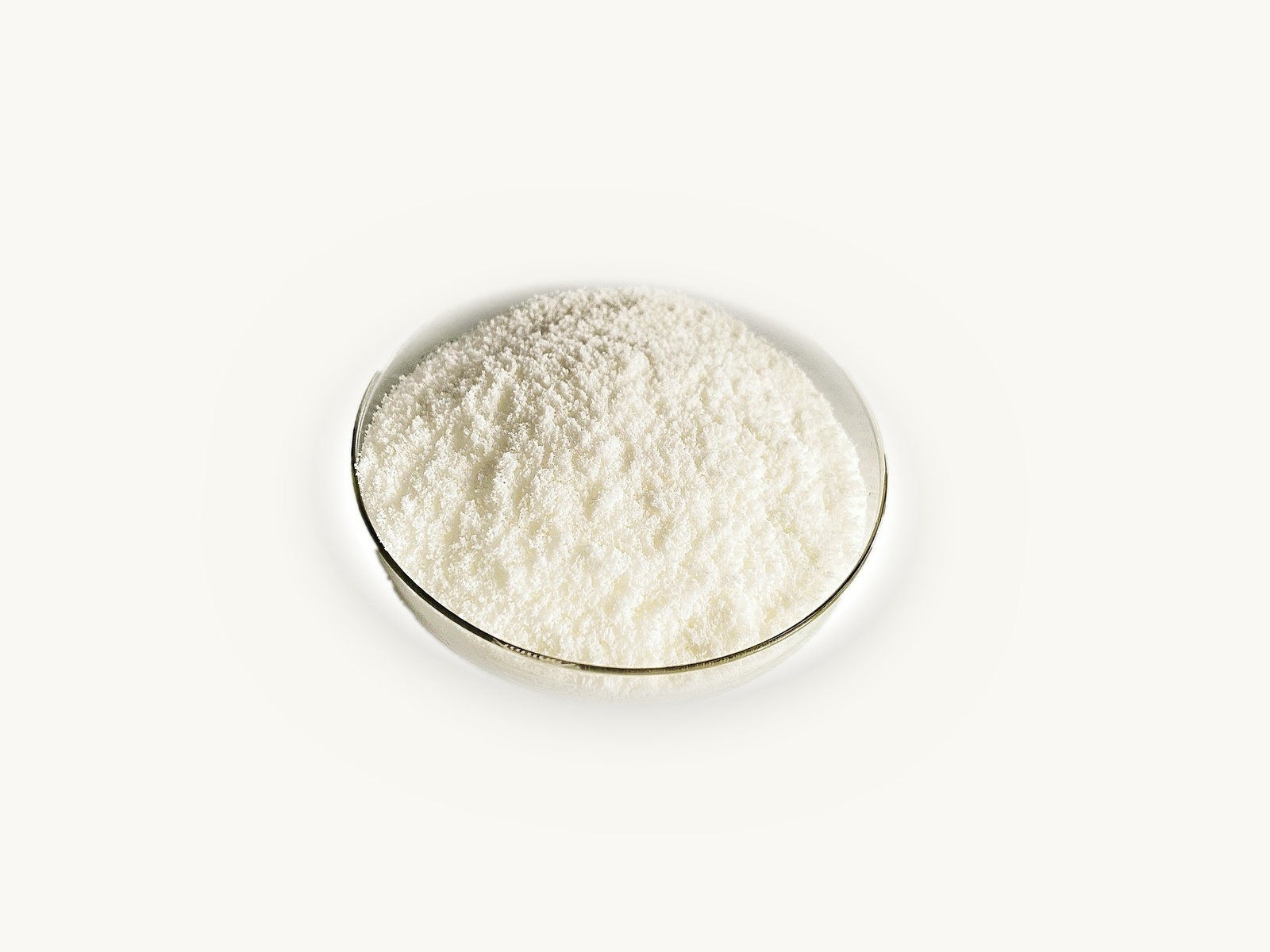
Both formats come from the same source: microalgae fermentation of Schizochytrium. The published grades differ in load, not in identity — the oil at 40% / 50% DHA, the powder at 10% / 20%. There is no oil-grade DHA and powder-grade DHA; there is one fermented DHA, concentrated in one format and carried in the other. Alongside the standard oil grades sits an organic DHA algae oil at 50%.
The first thing that changes is how much of each format you have to weigh. Take one published grade from each column:
That arithmetic carries consequences. A heavier powder dose takes up a larger share of the formula and reshapes the cost structure built around it. So the real question is never “is powder cheaper than oil” — it is how much carrier travels behind every milligram of DHA. Where your line runs liquid, the oil grades behind these figures are on DHA algal oil.
The second thing that changes is the line itself. Liquid filling and emulsion systems take the oil — listed for infant formula, maternal nutrition and adult brain-and-eye supplements. Dry blending takes the powder — a microcapsule-encapsulated, spray-dried powder that “disperses through milk powder and dry mixes”. And the traffic does not run in both directions: oil will not travel through a dry-blend line, and powder has no role in a liquid line. Choose the wrong format and the sample will arrive — and be unusable. The powder grades are on DHA algal oil powder.
Then there is the row the oil specification does not carry: the carrier. On our powder specification it is stated outright — the base is given as fish-oil or algal-oil, and with it the carriers: bovine, sheep, starch or organic. That row settles the positioning of your finished product before any marketing copy gets written. Powder specifications disclose their composition by nature, and our ARA powder shows how literally: ARA oil 25%, starch 32%, dextrin 28%, whey 10%, sodium caseinate 5% — five lines that close at 100%. Read the carrier row, then fix the positioning. Where the brief calls for DHA and EPA together in a dry product, there is a DHA + EPA powder at 11% / 13%, microgel encapsulation, spray-dried.
So when you write to us, three lines are enough: the dosage form your line runs, the milligrams of DHA per serving you are targeting, and the positioning the finished product has to hold. On those three we will tell you which of the two formats we would put on your line, and why. If the answer is the oil, the next question is the grade; if it is the powder, the next question is the carrier — and both are easier settled before a sample ships than after. The consolidated figures are on the product sheet.
Related reading: oil or powder — the five questions supplement brands ask and the algal DHA oil buyer's guide.
* Specifications are typical values for the grades listed, shown for guidance. The specification that applies to an order is confirmed in writing before the order is placed; every shipment is documented by its own batch COA.
Microencapsulated algal DHA for dry blends — customisable carriers, including organic and ruminant-based options.
Specification & details →Microalgae DHA — the plant-based omega-3 source for formula, supplements and functional foods.
Specification & details →Microencapsulated fish-oil powder that brings omega-3 into dry products without the fishy taste.
Specification & details →Specifications, batch COAs and pricing are quoted per inquiry. We read every message personally.
Thank you — your inquiry has been sent. We reply within one business day.